DeepAgents works well when the goal is experimenting with autonomous AI agents.
The problems usually start later.
An agent works in staging. A few more developers join. New workflows get added. Prompts start changing every week. Someone edits memory logic directly in production. Another team wants the same agent inside a different framework.
Suddenly, the challenge is no longer building the agent.
It’s managing it.
That’s where many teams start looking for a DeepAgents alternative.
GitAgent approaches the problem differently. Instead of treating agents like runtime-heavy workflows, it treats them like version-controlled software infrastructure.
The result is a much cleaner way to manage, review, deploy, govern, and scale AI agents in production.
Why Teams Start Looking Beyond DeepAgents
DeepAgents is strong at orchestration.
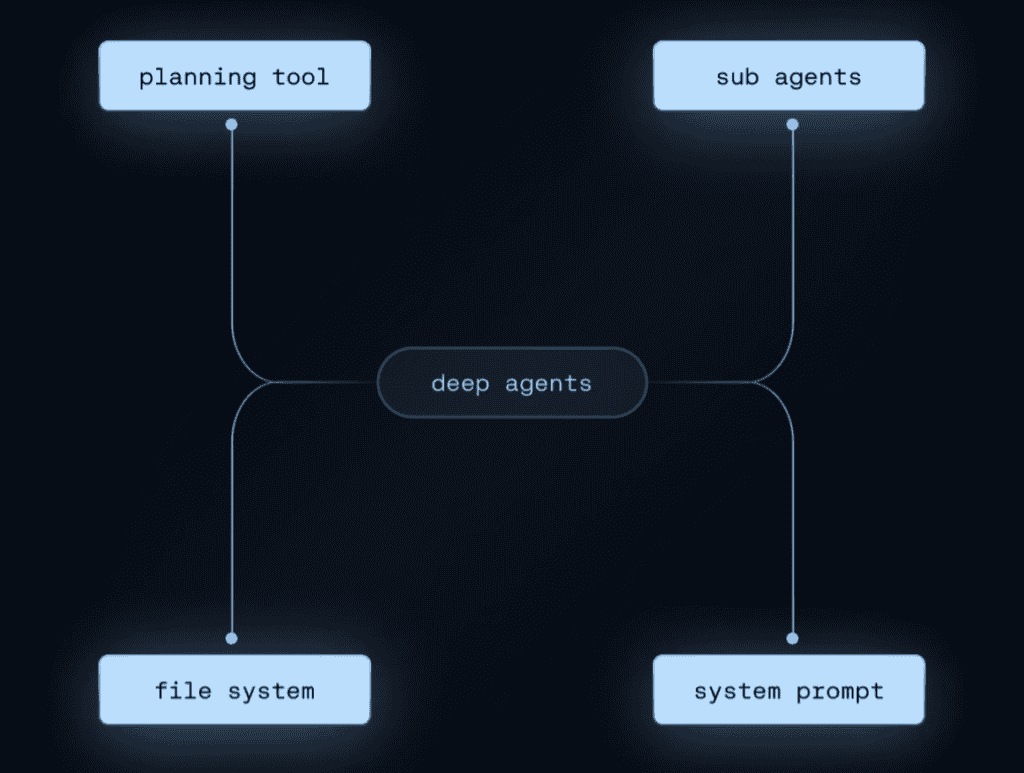
It gives developers:
- planning-first execution
- sub-agents
- memory systems
- reasoning loops
- autonomous workflows
For experimentation and advanced agent behavior, that works well.
But production environments introduce a completely different set of requirements.
Teams now need:
- deployment workflows
- rollback systems
- audit trails
- governance controls
- multi-developer collaboration
- framework portability
That’s where friction starts appearing.
The Real Problem Isn’t Agent Reasoning
Most teams initially think reasoning is the hard part.
In reality, operational complexity becomes the bigger issue much faster.
Here’s what usually happens.
| Stage | What Teams Expect | What Actually Happens |
| Initial Prototype | Build the agent | Works well |
| Team Expansion | Add more workflows | Logic becomes fragmented |
| Production Deployment | Scale usage | Versioning becomes difficult |
| Governance Review | Add approvals | Auditability gaps appear |
| Infrastructure Changes | Move frameworks | Rebuilds become necessary |
This is the point where many teams realize they need more than an orchestration framework.
They need operational infrastructure for AI agents.
Where DeepAgents Starts Becoming Difficult
1. Agents Become Tightly Coupled to the Framework
Most agent frameworks combine:
- prompts
- orchestration
- workflows
- memory
- runtime behavior
…inside framework-specific abstractions.
That creates long-term portability issues.
Moving an agent between ecosystems often means rebuilding major parts of the workflow.
For teams experimenting with multiple runtimes, this becomes expensive very quickly.
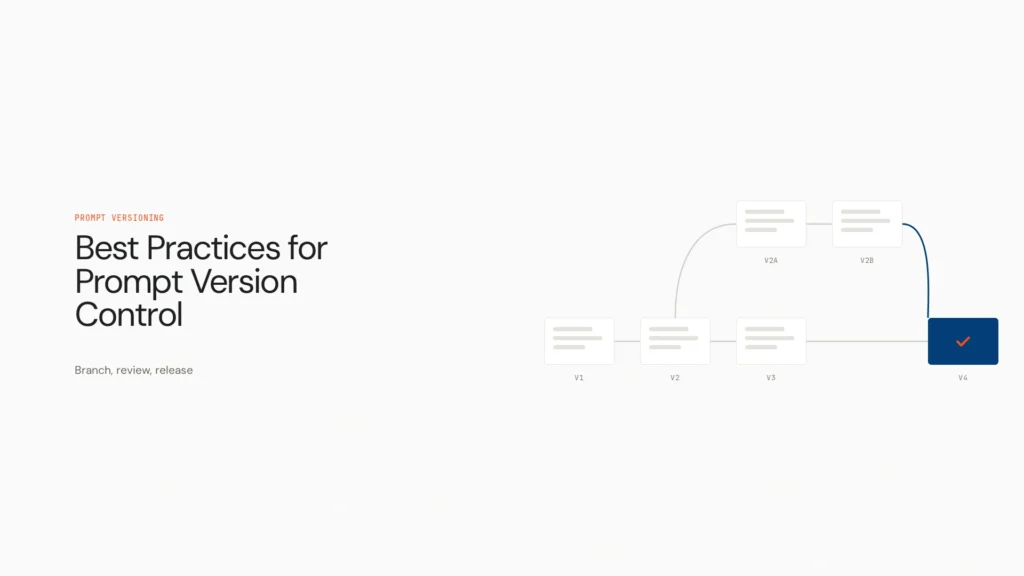
2. Versioning Gets Messy
Traditional software engineering already solved:
- pull requests
- rollback
- branching
- staging environments
- deployment approvals
Most AI agent frameworks still don’t handle these workflows cleanly.
As a result:
- prompt changes become hard to track
- memory updates happen silently
- production behavior becomes difficult to audit
Once agents evolve rapidly, visibility becomes critical.
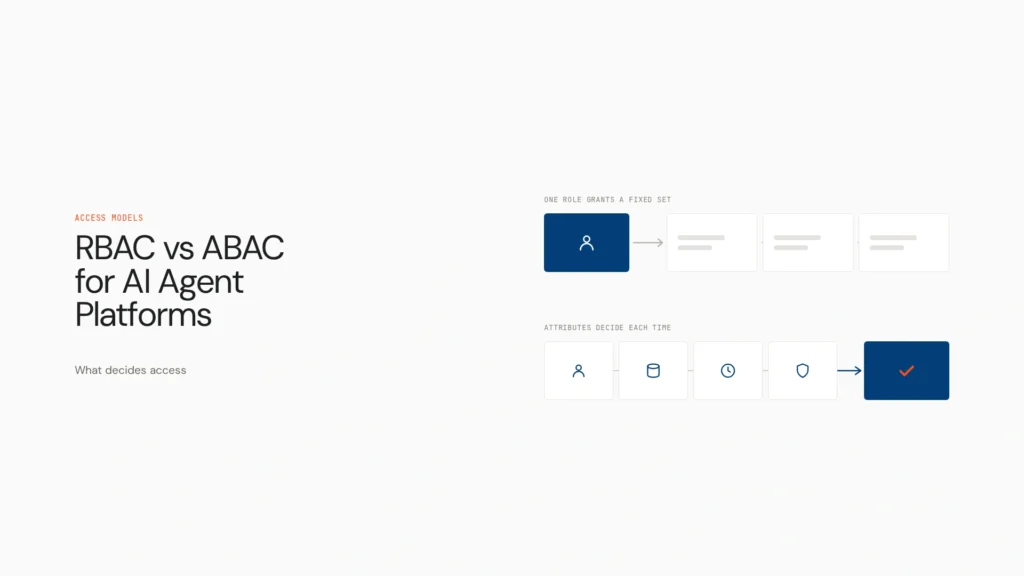
3. Governance Is Usually Added Later
As soon as AI agents interact with:
- customers
- internal systems
- financial operations
- regulated workflows
…governance becomes unavoidable.
Teams suddenly need:
- audit logs
- policy enforcement
- approval systems
- reproducible deployments
- change tracking
Most experimentation-focused frameworks were never designed around those requirements.
GitAgent vs DeepAgents
Here’s where the difference becomes clearer.
| Capability | DeepAgents | GitAgent |
| Planning-first agent workflows | ✓ | ✓ |
| Multi-agent orchestration | ✓ | ✓ |
| Persistent memory support | ✓ | ✓ |
| Git-native architecture | ✗ | ✓ |
| Built-in version control | ✗ | ✓ |
| Pull request based reviews | ✗ | ✓ |
| Branch-based deployments | ✗ | ✓ |
| Agent rollback support | Limited | ✓ |
| Multi-framework portability | ✗ | ✓ |
| Framework-agnostic agent definitions | ✗ | ✓ |
| Enterprise governance workflows | Limited | ✓ |
| Audit trails | Limited | ✓ |
| Policy enforcement support | ✗ | ✓ |
| Team collaboration workflows | Moderate | ✓ |
| Production deployment readiness | Moderate | ✓ |
The biggest difference is simple:
DeepAgents focuses heavily on agent execution.
GitAgent focuses on agent operations.
What Makes GitAgent Different

GitAgent treats the repository itself as the AI agent.
Instead of hiding logic inside runtime abstractions, everything lives directly inside Git.
Instead of treating AI agents like isolated runtime workflows, GitAgent treats the repository itself as the agent. Everything from prompts and workflows to memory, hooks, policies, deployment logic, and runtime configuration lives directly inside Git.
This gives teams a much more structured and operational way to manage AI systems as they scale.
A typical GitAgent project includes files and directories like agent.yaml, SOUL.md, RULES.md, along with dedicated layers for memory, skills, hooks, and knowledge management.
Rather than hiding critical behavior inside runtime abstractions, GitAgent makes the entire agent system visible and manageable through version-controlled infrastructure.
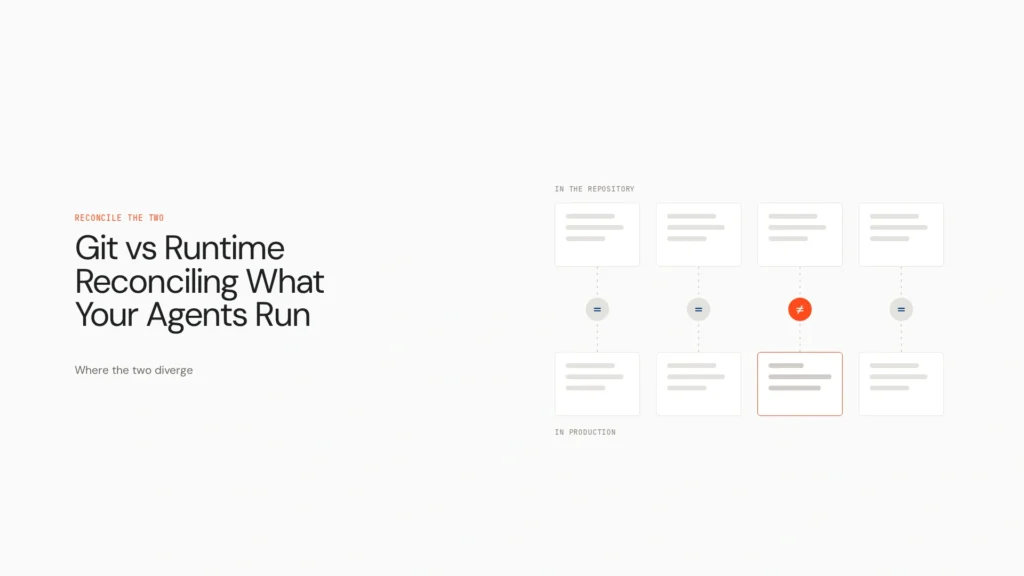
The biggest advantage of this approach is operational transparency. Teams can clearly see what changed, who changed it, and when those changes happened.
Updates become reviewable through pull requests, deployments become easier to track, rollback becomes significantly safer, and agents become much more portable across frameworks and environments.
Git Workflows Become Agent Workflows
This is where GitAgent feels fundamentally different.
Instead of introducing entirely new operational systems for AI agents, GitAgent reuses workflows engineering teams already trust.
That means:
- agent updates can go through pull requests
- memory changes can require approvals
- deployments can happen through branches
- rollback becomes a normal Git operation
For engineering teams, this feels significantly more natural than managing runtime-heavy agent abstractions manually.
One Agent Can Run Across Multiple Frameworks
Another major advantage is portability.
The same GitAgent definition can export across:
- Claude Code
- OpenAI Agents SDK
- CrewAI
- OpenClaw
- Lyzr
- GitHub Models
This reduces the risk of committing entirely to one ecosystem.
For teams still evaluating long-term AI infrastructure decisions, that flexibility matters a lot.
Why This is important for Enterprise Teams?
Enterprise AI teams usually hit the same operational problems:
- too many fragmented agents
- inconsistent deployment workflows
- poor visibility into changes
- governance concerns
- framework lock-in
GitAgent addresses these issues directly by turning AI agents into version-controlled infrastructure.
That becomes especially important in industries like:
- financial services
- healthcare
- enterprise SaaS
- government
- regulated operations
The goal is no longer just building agents.
The goal becomes managing them reliably at scale.
When GitAgent Is the Better Alternative?
GitAgent makes more sense than DeepAgents when teams need:
| Use Case | Better Fit |
| Agent experimentation | DeepAgents |
| Autonomous orchestration workflows | DeepAgents |
| Production deployment pipelines | GitAgent |
| Enterprise governance | GitAgent |
| Multi-team collaboration | GitAgent |
| Framework portability | GitAgent |
| Auditability and compliance | GitAgent |
| Long-term maintainability | GitAgent |
Final Thoughts
DeepAgents helped push AI agents toward more capable autonomous workflows.
But production AI systems need more than orchestration alone.
They also need:
- operational discipline
- governance
- deployment workflows
- auditability
- portability
- collaboration systems
That’s the layer GitAgent is solving.
For teams evaluating DeepAgents alternatives specifically for production AI operations, GitAgent offers a much stronger operational foundation.
Explore GitAgent: https://www.gitagent.sh/
Book A Demo: Click Here
Join our Slack: Click Here
Link to our GitHub: Click Here