Table of Contents
ToggleProcurement automation has evolved from a back-office efficiency initiative into a foundational capability for enterprise-scale operations. As organizations grow in size, geographic footprint, and supplier diversity, procurement becomes harder to govern through manual effort alone.
Automation is no longer about saving time on routine tasks, it is about making procurement predictable, controllable, and auditable at scale.
This article takes a detailed look at procurement automation: what it truly includes, where it delivers value, where it breaks down, and how leading enterprises structure automation as an operating model rather than a collection of disconnected workflows.
Why Procurement Automation Became Structural, Not Optional
Procurement teams today face a very different environment compared to even five years ago.
Spend volumes are increasing, supplier bases are expanding globally, and regulatory scrutiny continues to rise. At the same time, procurement teams are expected to operate with leaner headcounts and faster turnaround times.
Key pressures driving automation include:
- Spend growth outpacing procurement capacity
- Increasing frequency of low-value, high-volume requests
- Complex approval matrices across regions and business units
- Heightened audit, compliance, and documentation requirements
- Dependence on fragmented ERP and finance systems
In manual or semi-automated environments, these pressures surface as delays, inconsistent enforcement of policy, and growing operational risk. Automation introduces discipline into procurement execution, ensuring that processes run the same way every time, regardless of scale.
What Procurement Automation Actually Means in Practice
Procurement automation is the use of rule-based workflows, system integrations, and orchestration logic to execute procurement processes with minimal manual intervention. It focuses on how work moves through the system, not on predicting outcomes or generating insight.
Automation is most effective when applied end-to-end across the source-to-pay lifecycle, rather than in isolated steps.
Core Components of Procurement Automation
| Component | Role in procurement operations |
|---|---|
| Workflow orchestration | Routes tasks based on rules, thresholds, and roles |
| Business rules | Enforces policies, limits, and approval logic |
| System integration | Connects intake, ERP, finance, and supplier systems |
| Exception handling | Identifies and routes deviations for review |
| Audit logging | Records every action for traceability |
Together, these components create a controlled execution layer across procurement.
Intake Management: Where Most Automation Journeys Begin
Procurement friction often starts at intake. Requests arrive through emails, spreadsheets, chat messages, or informal conversations. Information is incomplete, approvals are unclear, and tracking becomes difficult.
Automation standardizes intake by converting unstructured demand into structured, governed requests.
What Automated Intake Delivers
- Standardized request forms with required fields
- Built-in validation for budgets, categories, and suppliers
- Automatic routing to the correct approval chain
- Visibility into request status for stakeholders
By formalizing intake, procurement teams eliminate ambiguity early in the process, reducing downstream rework and delays.
Approval Workflows That Scale Without Bottlenecks
Approval management is one of the most visible benefits of procurement automation. Manual approvals often depend on email chains and individual availability, creating delays and compliance gaps.
Automated approval workflows:
- Apply approval thresholds consistently
- Route requests dynamically based on value, category, or risk
- Maintain escalation paths when approvals stall
- Create a permanent audit trail
Automation ensures that approvals are enforced systematically, not selectively.
Purchase Order Execution Without Manual Intervention
Once a request is approved, execution should be immediate. In many organizations, this handoff still involves manual PO creation and follow-ups.
Automation enables:
- Automatic PO creation from approved requests
- Supplier-specific formatting and dispatch
- Acknowledgment tracking
- Status synchronization with ERP and finance systems
This reduces processing time while ensuring POs reflect approved terms and conditions.
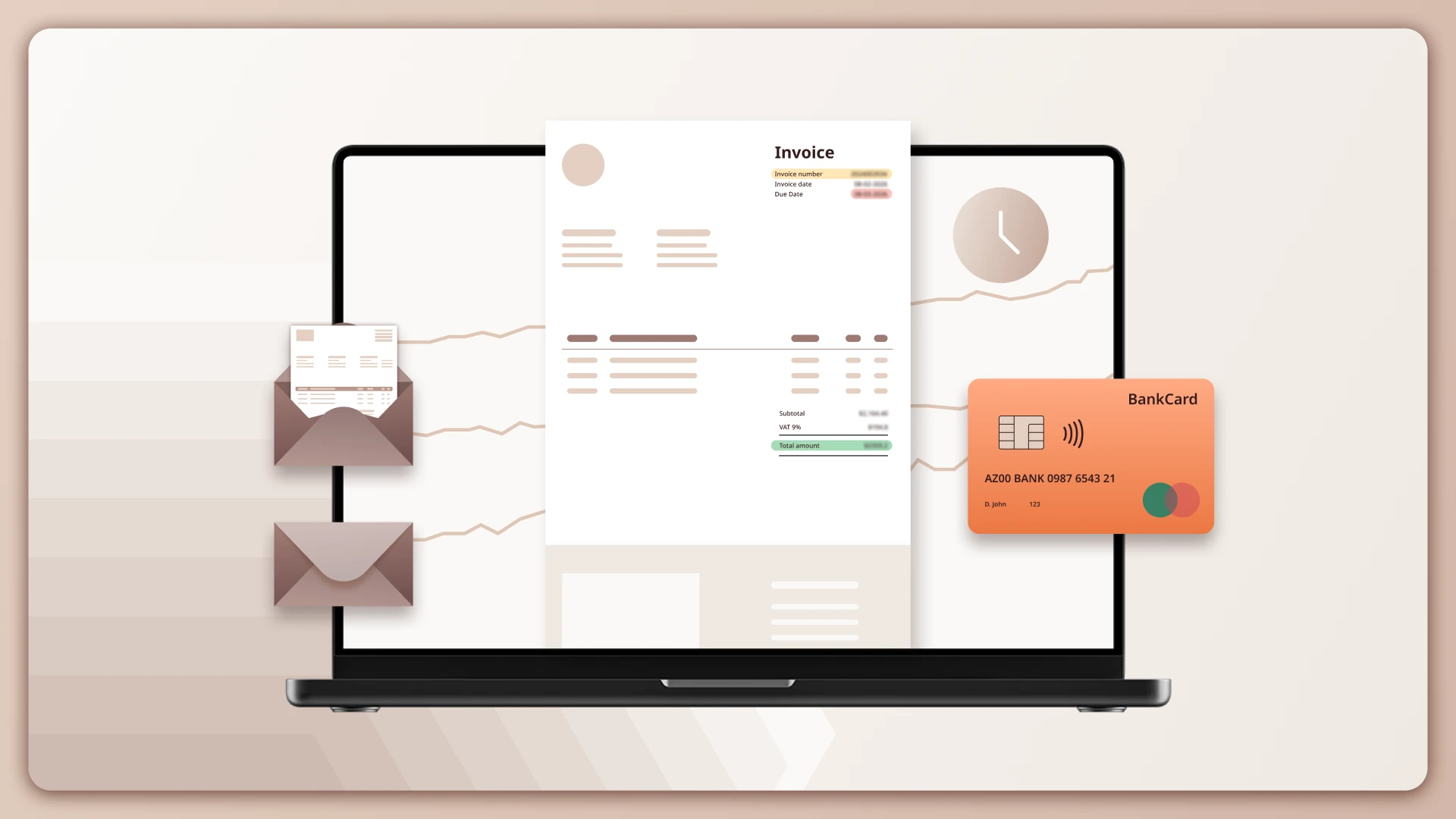
Invoice Processing: Automation at Volume
Invoice management is one of the most mature automation use cases, particularly in high-volume environments.
Automated invoice workflows typically include:
- Data extraction from invoices
- Validation against POs and receipts
- Automatic posting for compliant invoices
- Exception routing for mismatches
Typical Outcomes of Invoice Automation
| Outcome | Operational impact |
|---|---|
| Faster processing | Shorter payment cycles |
| Fewer errors | Reduced rework and disputes |
| Stronger controls | Improved audit readiness |
Automation allows finance and procurement teams to focus on exceptions rather than routine processing.
Compliance Becomes Embedded, Not Enforced After the Fact
In manual procurement environments, compliance relies heavily on user behavior and post-facto reviews. Automation changes this model by embedding policy directly into workflows.
Automation enforces:
- Preferred supplier usage
- Contract pricing adherence
- Spend thresholds and approval limits
- Mandatory documentation requirements
As a result, compliance is achieved by design rather than by intervention.
Reporting That Reflects Execution, Not Estimation
Automated procurement generates structured data as a byproduct of execution. This improves reporting accuracy and timeliness.
Automation supports:
- Real-time spend visibility
- Cycle time and throughput measurement
- Supplier performance tracking
- Audit and compliance reporting
Reliable reporting depends less on manual consolidation and more on consistent process execution.
Automation Versus Intelligence: Understanding the Boundary
It is important to clearly distinguish procurement automation from intelligence-led systems.
| Dimension | Automation | Intelligence |
|---|---|---|
| Logic | Predefined rules | Adaptive models |
| Flexibility | Low to moderate | High |
| Exception handling | Manual | Assisted |
| Decision support | Limited | Context-aware |
Strong procurement functions use automation as the foundation and layer intelligence selectively where judgment is required.
What Strong Procurement Automation Looks Like in Large Enterprises
Organizations that scale procurement automation successfully share common characteristics:
- Clearly documented processes
- Consistent master data governance
- Strong ERP integration
- Focus on reducing exceptions
- Dedicated ownership of workflows
Automation is treated as an operating discipline, not a one-time project.
Governing Automation at Scale
As automation expands, governance becomes critical.
Effective governance includes:
- Version control for workflows
- Clear ownership of business rules
- Monitoring of exception volumes
- Periodic policy reviews
Without governance, automation can introduce new risks instead of reducing them.
How Procurement Automation Evolves Over Time
Mature procurement organizations view automation as a journey:
- Standardize core workflows
- Eliminate manual handoffs
- Reduce exceptions
- Introduce intelligence where variability is high
Automation creates the execution backbone that enables future innovation.
Wrapping Up
Procurement automation is not primarily about speed. It is about consistency, control, and reliability at scale.
When implemented thoughtfully, automation allows procurement teams to handle growing complexity without increasing operational risk. It frees teams from manual coordination and enables focus on supplier strategy, cost control, and governance.
For enterprises operating at scale, procurement automation is no longer an optimization, it is the minimum standard for running procurement effectively.
Book A Demo: Click Here
Join our Slack: Click Here
Link to our GitHub: Click Here